What it is
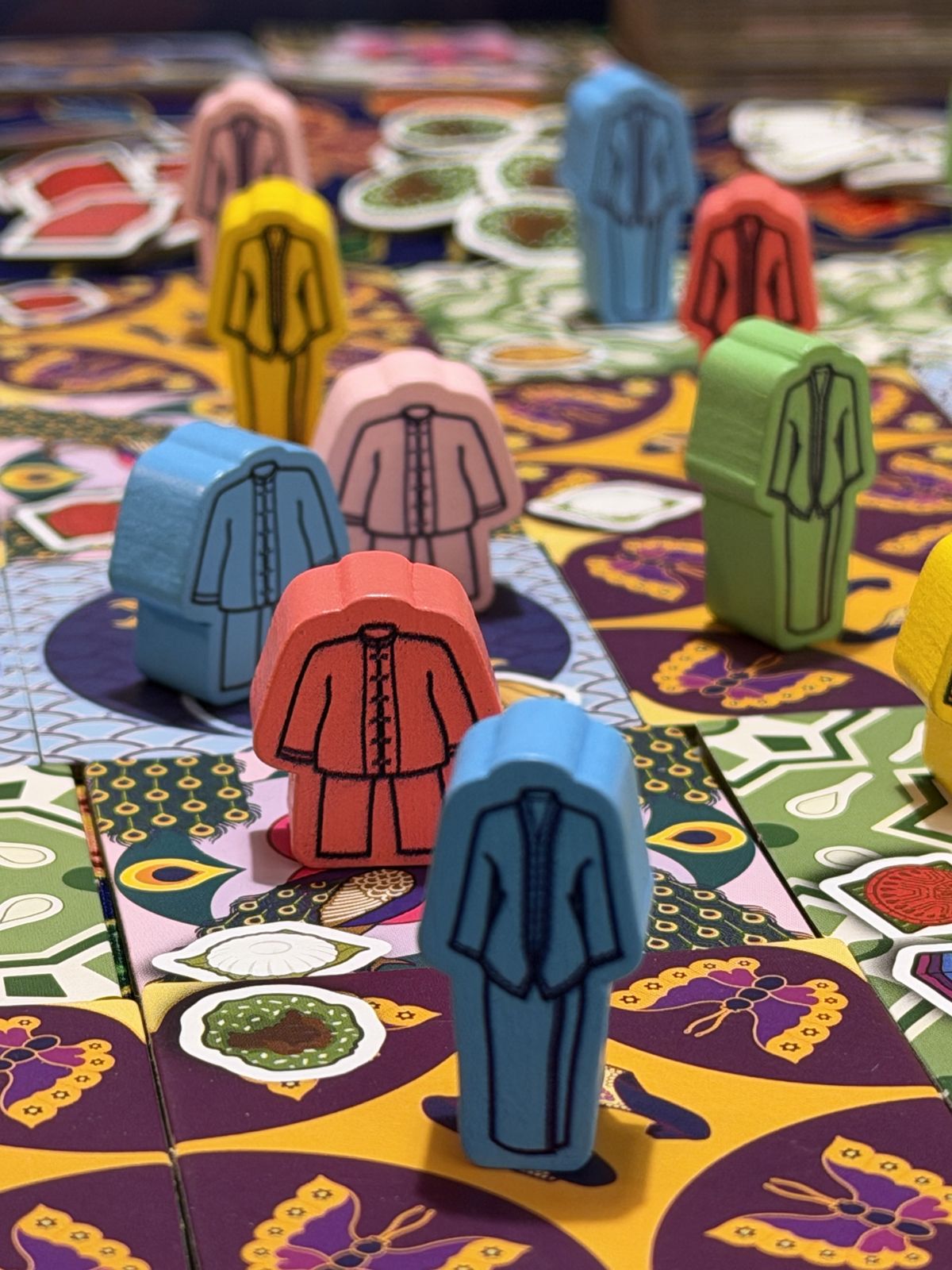
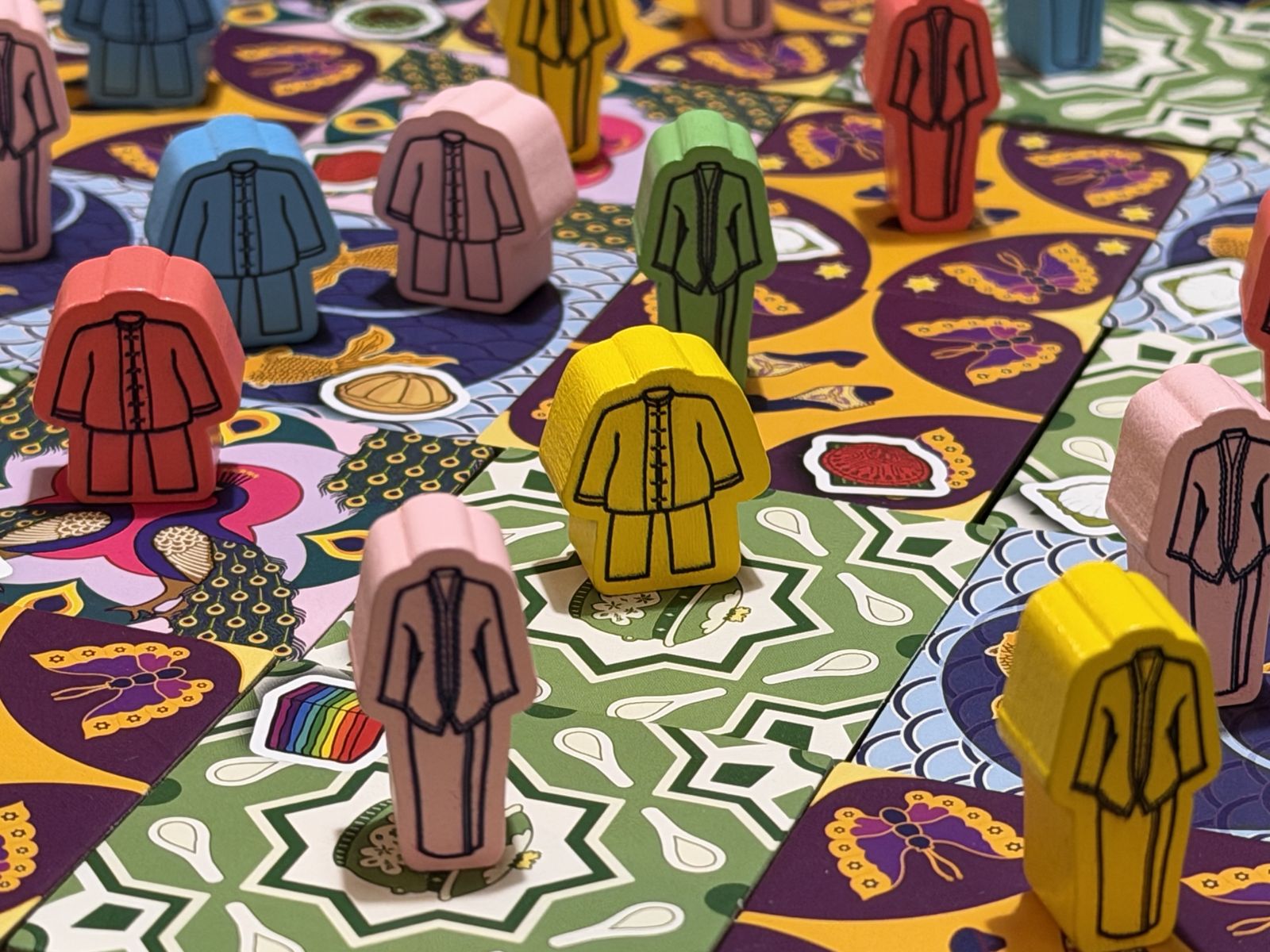
Peranakan is a tile placement game set among the Peranakan, the families born from the meeting between the first Chinese who arrived in Southeast Asia and the local cultures of Singapore and Malaysia. On the board you place tiles decorated like their ceramic tiles, with four different patterns, and you can also place them on top of tiles already on the table, changing the pattern of a space.
On the tiles you put your Nyonya and Baba. When the area around them is complete they collect the kueh, the sweets, from the tiles with their same pattern. Kueh come in four types and you need them for complete sets, and whoever puts together the most wins. That’s where the interaction is: by covering the tile another player’s worker stands on, you change what it will collect.
How it plays
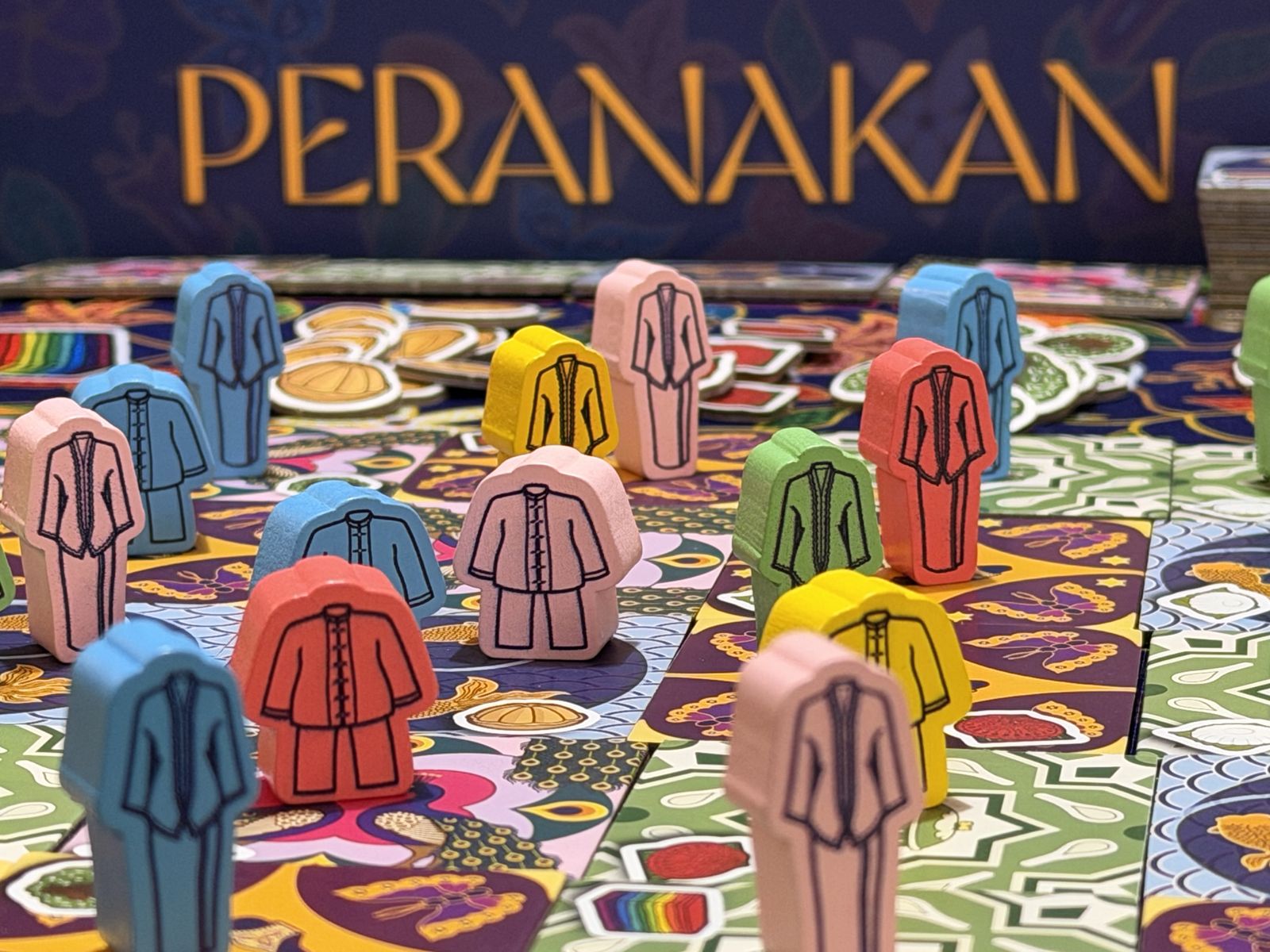
The game flows fast, with no downtime. At first you might think there are enough kueh for everyone, but it’s precisely their running out that ends the game.
Since you need complete sets, from the start it’s better not to focus on a single type but to balance them all. And when one type starts running short, that may be exactly the one to go for: missing just one means ending up with lots of sweets of the other types and few complete sets.
It also matters a lot to take advantage of other people’s patches, placing an overlapping tile, and one of your workers, in the areas where the others are already working.
The nugget
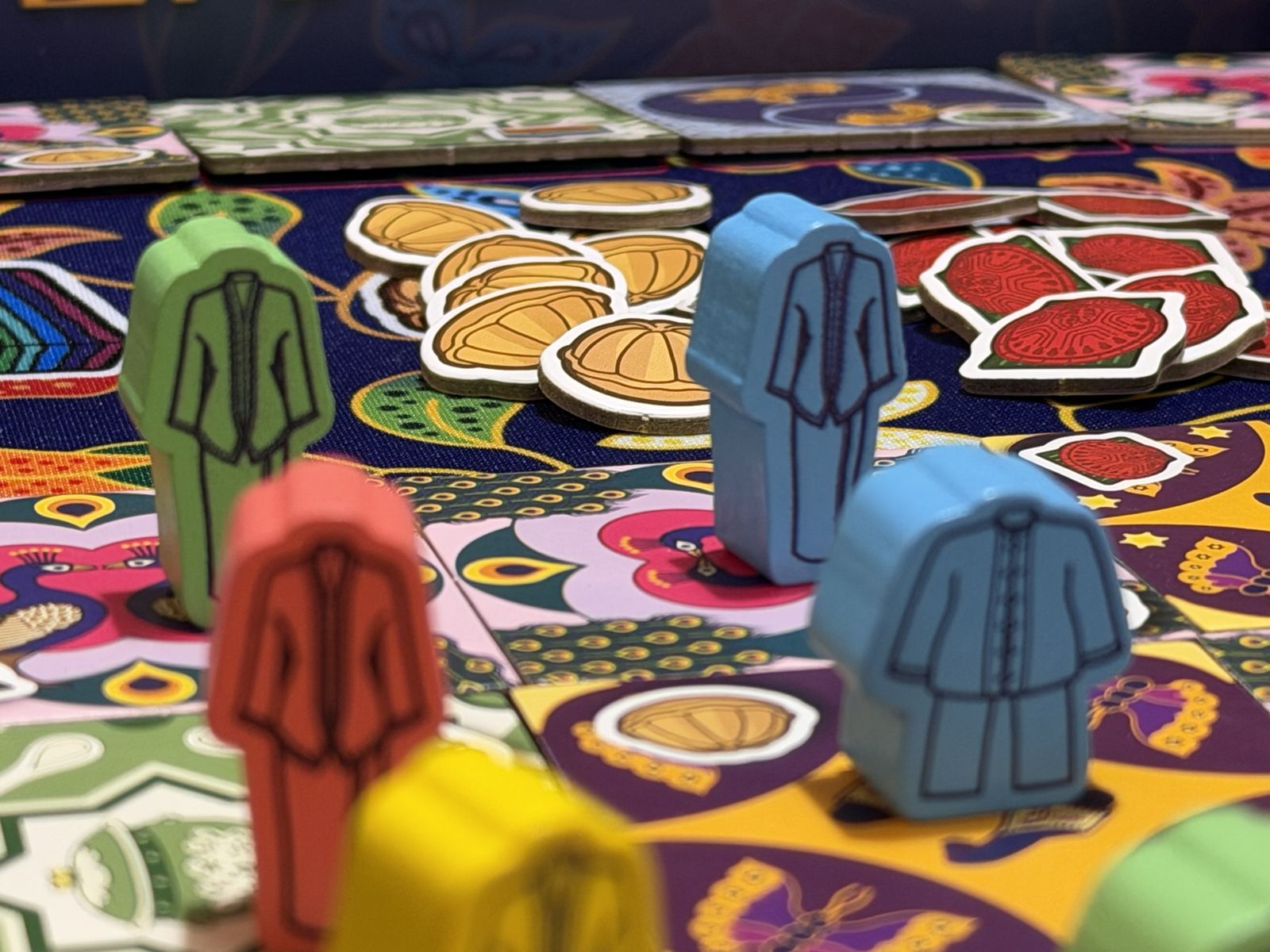
Peranakan means born here but with roots elsewhere, and it isn’t only about the Chinese: there are also the Chitty Melaka, with Indian roots, and the Arab Peranakans. Among the Chinese Peranakans the Nyonya women were famous for their cooking and needlework, so much so that the sweets in the game are called Nyonya kueh, while the Baba men often became merchants. At the end of the rulebook, next to the illustrated kueh, the designer recommends going to try them as soon as possible. Seriously.
At our table
A light tile game, quick to explain, that brings to the table a theme you don’t see often: the Peranakan culture of Singapore.
How long does Peranakan take?
The box says 30–45 minutes. At our table: 20 minutes at four.
The box
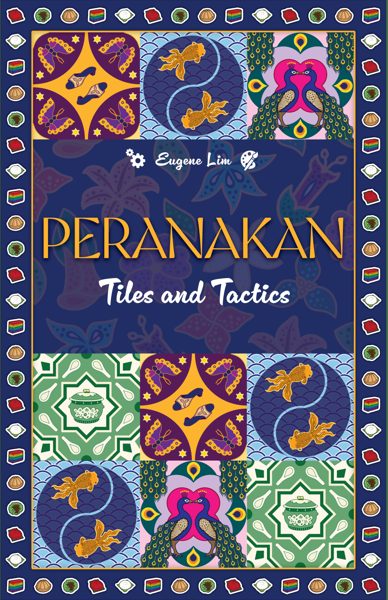
The game that made you discover a new place?
A theme you didn’t know and then went looking for.
Also on the table


Thanks to Nekuma Studio for sending us Peranakan.